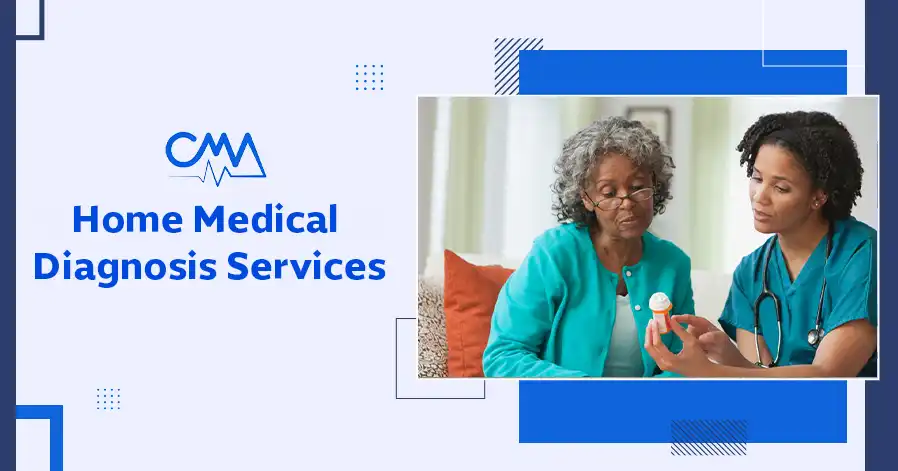
Home Medical Testing allow patients to receive professional medical evaluation at home without the need to visit a clinic or hospital. A qualified doctor visits the patient, assesses the condition, asks relevant questions, and recommends the appropriate next steps.
Care Clinic offers this service to provide convenient and accessible care for patients who need home examinations, chronic disease follow-up, or non-emergency medical assessments. With trained doctors and portable equipment, patients receive clear medical guidance in a comfortable and safe environment.
What Are Home Medical Diagnosis Services?
Home Medical Diagnosis Services are medical assessment services provided by a doctor inside the patient’s home. The doctor visits the patient, reviews symptoms, checks medical history, performs a physical examination, uses suitable medical tools, and gives a professional medical opinion based on the case.
Home medical diagnosis can be useful for patients who need care but do not require immediate hospital admission. It helps the doctor understand the patient’s condition and decide whether treatment can begin at home, further tests are needed, or hospital care is required.
These services may include:
- General medical assessment at home.
- Checking vital signs such as blood pressure, temperature, oxygen level, and pulse.
- Examining symptoms such as fever, pain, weakness, dizziness, cough, or fatigue.
- Reviewing chronic diseases and current medications.
- Requesting lab tests or radiology if needed.
- Recommending treatment, follow-up, or referral to a specialist.
Home medical services Egypt are especially helpful for families who want trusted care without the stress of transportation, traffic, or crowded clinics. They make diagnosis more accessible while keeping the patient comfortable.
Telephone Medical Consultation Services
The Importance of Home Medical Diagnosis in Early Case Detection
Home Medical Diagnosis Services are important because early assessment helps detect health issues before they become more serious. A home doctor visit can reduce delays in seeking care, especially for patients who are elderly, busy, or unsure about their symptoms.
Early diagnosis supports timely treatment for conditions such as infections, blood pressure changes, diabetes complications, and respiratory problems. It also helps determine whether a case is mild, moderate, or requires urgent care, ensuring appropriate medical action is taken.
In addition, home medical assessments provide ongoing monitoring for chronic and elderly patients, helping detect early warning signs and supporting preventive healthcare and long-term well-being.
Home Clinic and Medical Center Services

Steps a Doctor Takes to Diagnose Inside the Home
Home Medical Diagnosis Services follow a clear medical process to help the doctor understand the patient’s condition accurately. The visit usually starts with listening to the patient or family and collecting important information about symptoms, medical history, medications, allergies, and previous illnesses.
After that, the doctor performs a physical examination based on the complaint. For example, if the patient has chest symptoms, the doctor may listen to the lungs, check oxygen levels, and ask about breathing difficulty. If the patient has abdominal pain, the doctor may examine the abdomen and ask about digestion, fever, or medication use.
The diagnosis process may include:
- Asking about the main symptoms and when they started.
- Reviewing medical history and chronic conditions.
- Checking current medications and allergies.
- Measuring vital signs.
- Performing a focused physical examination.
- Using portable devices when needed.
- Requesting home lab tests or imaging if required.
- Explaining the expected diagnosis and next steps.
The doctor may provide treatment instructions, prescribe medication when suitable, recommend tests, or advise hospital transfer if the case needs urgent care. This organized approach helps the family understand the situation clearly.
Medical Examinations That Can Be Performed at Home
Home Medical Diagnosis Services can include many basic and important examinations that help doctors evaluate the patient’s condition. While some advanced tests still require hospitals or specialized centers, many first-step medical assessments can be done safely at home.
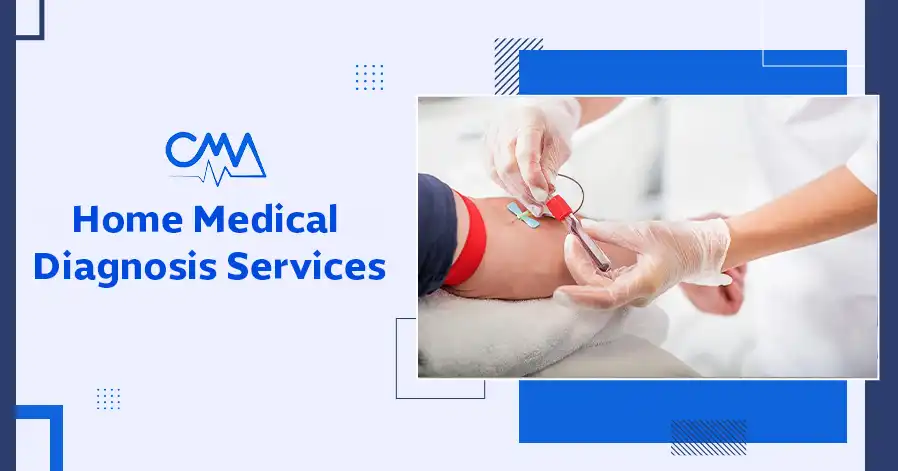
A home medical examination may include checking blood pressure, pulse, temperature, oxygen saturation, blood sugar, breathing condition, heart sounds, chest sounds, abdominal tenderness, throat condition, skin signs, hydration level, and general physical appearance.
Common examinations at home may include:
- Blood pressure measurement.
- Blood sugar check for diabetic patients.
- Oxygen level and pulse monitoring.
- Temperature check for fever.
- Chest and lung examination.
- Heart rate and general circulation assessment.
- Abdominal examination.
- Throat, ear, or general infection assessment.
- Mobility and weakness evaluation.
- Elderly patient health assessment.
The doctor may also request additional services if needed, such as blood tests, urine tests, ECG, ultrasound, or X-Ray depending on availability and the patient’s condition. These additional steps help complete the diagnosis and support better medical decisions.
The Role of Portable Medical Devices in Home Diagnosis
Home Medical Diagnosis Services have become more effective with the use of portable medical devices that help doctors gather accurate health information during home visits.
These may include blood pressure monitors, pulse oximeters, thermometers, glucometers, and portable ECG devices, with some cases also allowing ultrasound or other imaging tools depending on need.
These devices help identify key health indicators that may not be obvious from symptoms alone, such as oxygen levels, blood sugar, and heart rhythm, enabling more accurate diagnosis and better medical decisions.
Benefits of portable medical devices include:
- Faster assessment during the visit.
- More accurate monitoring of vital signs.
- Better support for elderly and chronic patients.
- Easier follow-up for patients at home.
- Reduced need for unnecessary clinic visits.
- Clearer medical decisions based on measured results.
Portable devices do not replace full hospital equipment, but they make home diagnosis more practical and useful for many everyday medical cases.
Medical Transportation Services
Home Diagnosis for Chronic Conditions and the Elderly
Home Medical Diagnosis Services are useful for elderly patients and those with chronic diseases who need regular monitoring without frequent clinic visits.
They help manage conditions like diabetes, hypertension, heart and respiratory diseases by allowing doctors to check symptoms, vital signs, and treatment response at home.
They are also important for elderly patients, where signs like weakness, dizziness, or confusion may indicate early health problems that need attention.
Home diagnosis for elderly and chronic patients may include:
- Regular health follow-up.
- Medication review.
- Blood pressure and sugar monitoring.
- Assessment after falls or weakness.
- Checking breathing, hydration, and general condition.
- Early detection of infection or complications.
- Guidance for family caregivers.
Home medical services 24 hours can be useful for families who need urgent assessment for elderly patients or chronic cases at different times of the day. This gives families more confidence when managing health needs at home.
Home Lab Tests and Radiology Services
The Difference Between Home Diagnosis and Clinic Diagnosis
Home Medical Diagnosis Services and clinic diagnosis both assess a patient’s health, but differ in location and resources. Home diagnosis is done at the patient’s home, while clinic diagnosis takes place in a medical center.
Home visits are more convenient for elderly or immobile patients and help doctors understand the patient’s daily environment. Clinics are better suited for advanced equipment, specialist care, and complex testing.
The main differences include:
- Home diagnosis is more convenient for patients with movement difficulties.
- Clinic diagnosis may offer wider equipment and specialist access.
- Home diagnosis provides privacy and comfort.
- Clinic visits may be better for urgent or complex cases.
- Home care allows family members to be involved more easily.
Both options are useful. The right choice depends on the patient’s condition, symptoms, urgency, and the type of examination needed.
Care Clinic for the Best Home Medical Diagnosis Services
Care Clinic provides Home Medical Diagnosis Services focused on comfort, safety, and reliable medical assessment at home.
Qualified doctors visit patients to check symptoms, vital signs, and recommend the appropriate next step, whether home treatment, lab tests, referral, or hospital care.
Choosing Care Clinic means you can benefit from:
- Professional home medical diagnosis.
- Comfortable home-based medical assessment.
- Support for elderly and chronic patients.
- Clear examination and medical guidance.
- Home healthcare services for different patient needs.
- Flexible booking and patient-focused care.
- Follow-up recommendations when needed.
With Care Clinic, Home Medical Diagnosis Services help families receive trusted medical support at the right time. Instead of delaying care or struggling with transportation, patients can get examined at home and receive clear medical advice in a safe, comfortable, and familiar environment.
FAQs about Home Medical Testing
What are home medical diagnosis services?
They are doctor visits at home for medical assessment, physical examination, symptom evaluation, and treatment or referral guidance.
Is home diagnosis as accurate as a clinic?
Home diagnosis can be accurate for many cases when performed by a qualified doctor, but complex cases may still need clinic or hospital testing.
What examinations are conducted at home?
Doctors can check vital signs, blood pressure, oxygen level, blood sugar, chest condition, abdomen, throat, general weakness, and chronic disease signs.